Business
Microgreen Farming for Urban Renters – The Complete Guide to Financing a Microgreens Farm
 Vishal kumar
Send an email
July 14, 2025
Vishal kumar
Send an email
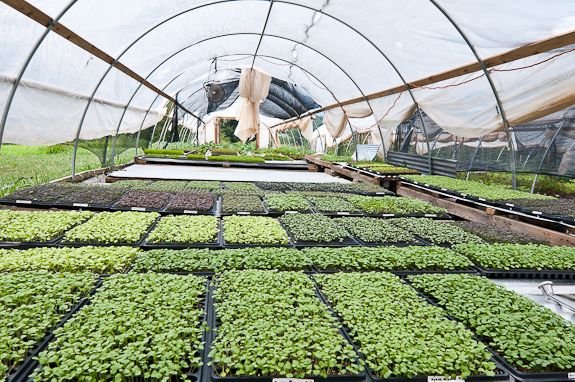
July 14, 2025One of the greatest advantages of microgreen farming for renters is its flexibility. Unlike conventional gardening, microgreens can be grown in small containers on windowsills, countertops, or balcony railings, requiring minimal sunlight and water. They thrive indoors and do not demand expensive tools or a large setup, making them accessible even in studio apartments. Common varieties such as radish, broccoli, sunflower, and pea shoots grow quickly, often ready for harvest in just 7 to 14 days. This rapid growth cycle not only provides a continuous supply of greens but also makes the process gratifying for beginners.
Additionally, microgreen farming supports a sustainable and health-conscious lifestyle. Growing your own greens reduces the need for plastic packaging and long-distance transportation, both of which contribute to environmental waste and carbon emissions. It also ensures that your food is free from harmful pesticides and can be harvested fresh right before consumption, enhancing both taste and nutrition.
For renters who face restrictions on modifying their spaces, microgreens present an ideal option that doesn’t require permanent changes or large investments. With simple tools like shallow trays, organic potting soil, and seeds, anyone can start their own microgreen garden regardless of experience or space. As urban living continues to rise, microgreen farming stands out as a practical and empowering way for renters to reconnect with food production and enjoy the benefits of homegrown produce.